Bruxism: Understanding This Complex Phenomenon
Do you grind your teeth at night? Clench your jaw without realizing it? Bruxism affects 22% of the population. Discover what science tells us and how orthodontics can help manage its consequences.

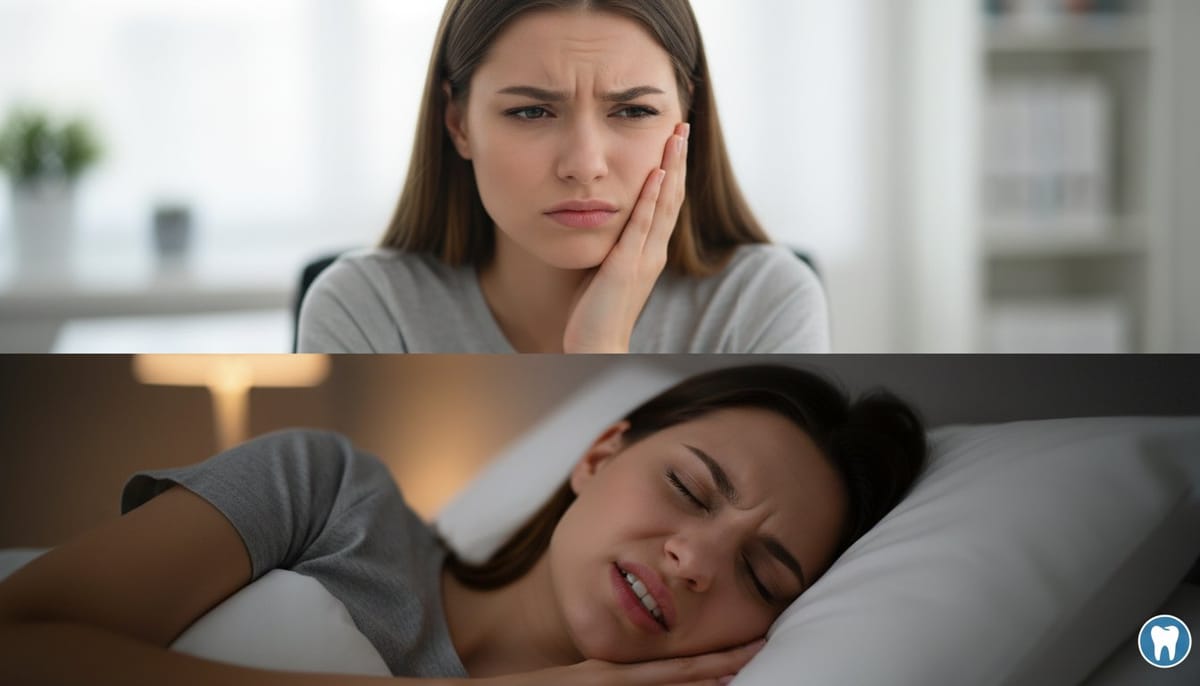
What is bruxism exactly?
Bruxism is a repetitive jaw muscle activity characterized by teeth clenching or grinding. According to the 2024 international consensus, in healthy individuals, bruxism is considered a behavior rather than a disorder or disease.
Two distinct types
Sleep Bruxism
- Occurs during sleep
- Characterized by rhythmic (phasic) or sustained (tonic) movements
- Often linked to micro-arousals during sleep
- The sleeper is generally unaware of it
Awake Bruxism
- Occurs during waking hours
- Characterized by repetitive or sustained tooth contact
- Includes clenching and jaw bracing
- Often linked to stress and hypervigilance
These two forms have different causes, manifestations, and therapeutic approaches.
Warning signs to watch for
Upon waking:
- Headaches, particularly at the temples
- Tired or stiff jaw
- Difficulty opening your mouth wide
Throughout the day:
- Teeth that appear worn or flattened
- Increased tooth sensitivity
- Pain in the jaw joint (TMJ)
- Tension in facial muscles
Your partner may alert you – the sound of nighttime grinding is often audible!
What science tells us about the causes
A primarily neurological phenomenon
Contrary to long-held beliefs, recent scientific research demonstrates that bruxism is a central (neurological) phenomenon rather than a peripheral (dental) one.
It is primarily linked to:
- Micro-arousals during sleep
- Activation of the autonomic nervous system
- Genetic factors
- Stress and anxiety (particularly for awake bruxism)
What about malocclusion?
Important point: The most recent meta-analyses find no reliable evidence to support an association between malocclusion and bruxism. The current scientific consensus is clear: poor dental occlusion does not cause bruxism.
Can orthodontics help?
Let's be honest
Orthodontics does not cure bruxism. Repositioning teeth does not treat the central (neurological) cause of the phenomenon.
But orthodontics helps MANAGE the consequences
While orthodontics cannot eliminate bruxism, it plays a crucial role in managing its consequences:
Better distribution of occlusal forces
- Optimal dental alignment distributes clenching forces across all teeth
- Reduces the risk of catastrophic damage to isolated or poorly positioned teeth
- Well-aligned teeth "share the load" rather than concentrating it
Facilitates effective night guard fabrication
- Well-aligned teeth allow for perfectly fitted protective night guards
- Better retention and wearing comfort
- More uniform protection of all dental surfaces
Long-term protection
- A patient who grinds their teeth with a balanced occlusion will have less damage than with poorly positioned teeth
- Orthodontic investment protects your dental capital
The orthodontist's role
The orthodontist plays an important role in comprehensive care:
- Evaluate tooth wear caused by bruxism
- Refer to appropriate specialists (sleep medicine physician, neurologist)
- Optimize occlusion to better distribute forces
- Protect teeth with a fitted occlusal splint
- Restore function if teeth have been damaged
Effective treatment approaches
The occlusal splint (night guard)
A custom night guard remains the first-line approach. It doesn't treat bruxism itself, but:
- Protects enamel from wear
- Distributes clenching forces
- Can reduce muscle pain
Therapeutic Botox
For severe cases, botulinum toxin injections into the masticatory muscles show promising results. This technique, offered at Dr. Benguira's Orthodontic Centre, reduces excessive muscle activity.
Behavioral approaches
Particularly for awake bruxism:
- Biofeedback techniques
- Stress management
- Awareness of clenching habits
The bruxism-airway connection: an important discovery
Recent research has revealed a fascinating connection between sleep bruxism and respiratory issues:
Respiratory micro-arousals can trigger bruxism
- When airways narrow during sleep, the brain triggers micro-arousals
- These micro-arousals are often accompanied by clenching or grinding episodes
- Bruxism may, in some cases, be a "protective response" to reopen airways
Palatal expansion can improve breathing
- In some patients, widening the palate increases nasal space
- Better nighttime breathing can reduce micro-arousals
- And thus potentially decrease some bruxism episodes
An interdisciplinary approach recommended
- Collaboration between orthodontist and sleep medicine physician
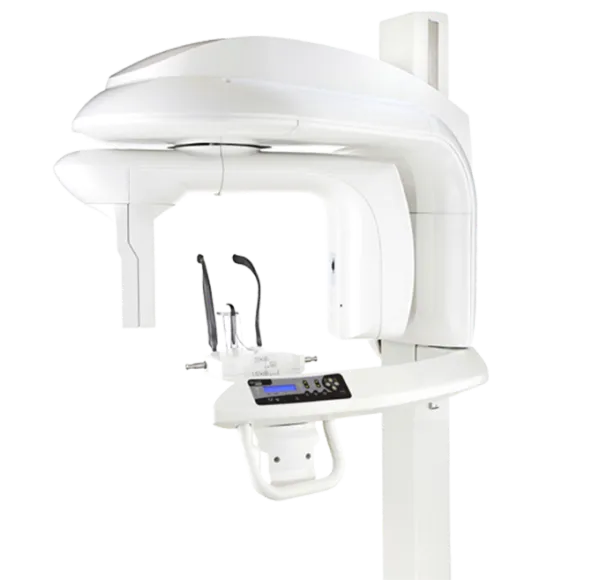
- Airway evaluation with 3D imaging (CBCT)
- Personalized treatment based on patient profile
This connection emphasizes the importance of a comprehensive evaluation rather than focusing solely on teeth.
Consequences of unmanaged bruxism
Without proper protection, bruxism can lead to:
- Premature enamel wear
- Tooth fractures
- Temporomandibular joint (TMJ) problems
- Chronic headaches
- Need for costly dental restorations
In summary
Bruxism is a complex phenomenon, primarily of neurological origin. While orthodontics cannot cure it, it plays a crucial role in managing the consequences. A comprehensive approach involving dental protection, stress management, and sometimes treatments like Botox can greatly improve your quality of life.
Think you may suffer from bruxism? A complete evaluation will determine the best approach to protect your teeth and relieve your symptoms. Dr. David Benguira's Orthodontic Centre offers a free consultation to assess your situation.
📞 Queen Mary Orthodontic Centre – Montreal | Rive Nord Orthodontic Centre – St-Eustache
🌐 www.monorthodontiste.org