Interceptive Orthodontics: Why Consulting at Age 7 Can Change Your Child's Life
Discover how early orthodontic intervention at age 7 can simplify treatment and improve outcomes for your child.

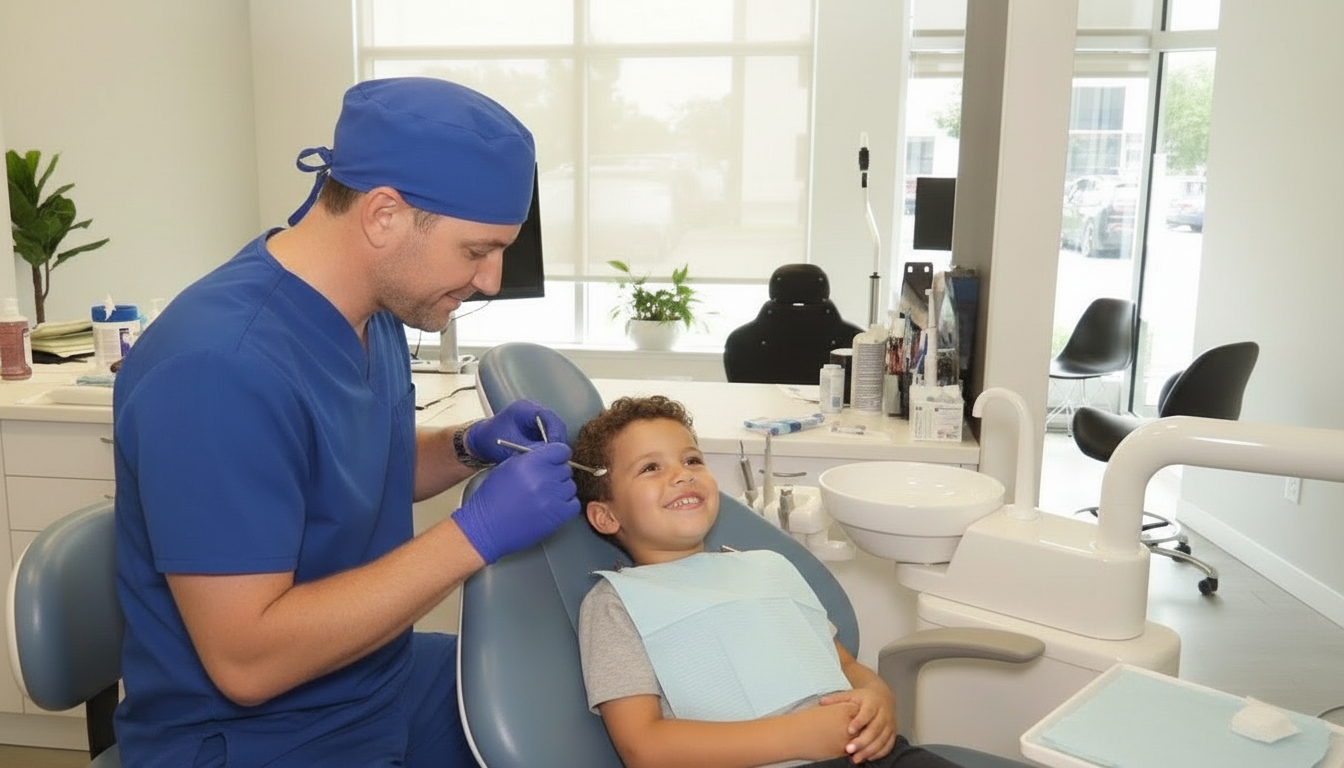
Did you know that some orthodontic problems are best treated before all permanent teeth arrive? Interceptive orthodontics can make a significant difference in your child's dental future.
What is Interceptive Orthodontics?
Also called Phase 1 treatment, interceptive orthodontics addresses dental and jaw problems in children aged 7-11, while they still have baby teeth.
Why Age 7?
At this age:
- First permanent molars have erupted
- Front teeth are transitioning
- Jaw development is still malleable
- Problems become visible but are still correctable
Conditions Treated Early
Crossbite
When upper teeth bite inside lower teeth, early correction prevents asymmetric jaw growth.
Severe Crowding
Creating space early can guide permanent teeth into better positions.
Protruding Front Teeth
Reduces risk of trauma and improves appearance during formative years.
Underbite
Correcting jaw relationship early may avoid surgery later.
Harmful Habits
Addressing thumb sucking or tongue thrust before permanent damage occurs.
Benefits of Early Treatment
- Guides jaw growth in the right direction
- Creates space for erupting teeth
- Reduces treatment complexity in teenage years
- May eliminate need for extractions
- Improves self-esteem during important developmental years
What to Expect
Phase 1 treatment typically:
- Lasts 12-18 months
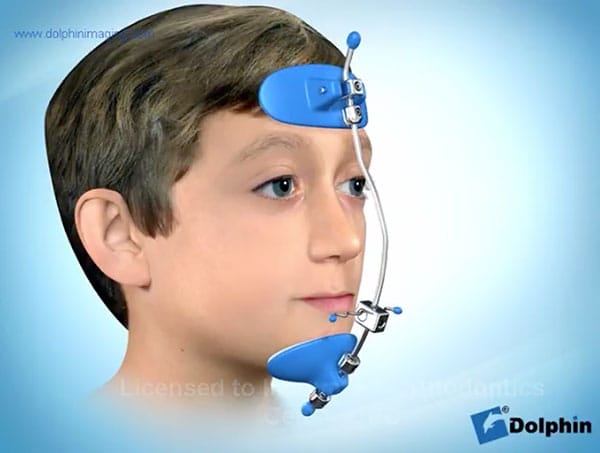
- Uses expanders, partial braces, or appliances
- Is followed by a resting period
- May require Phase 2 treatment in teenage years
Not Every Child Needs Early Treatment
Many children benefit from waiting until all permanent teeth erupt. A specialist evaluation determines the best timing for your child.
Conclusion
The right treatment at the right time can simplify your child's orthodontic journey. Dr. Benguira's Orthodontic Center offers free evaluations for children age 7 and older.