Managing Pain After a Braces Adjustment: 10 Practical Tips

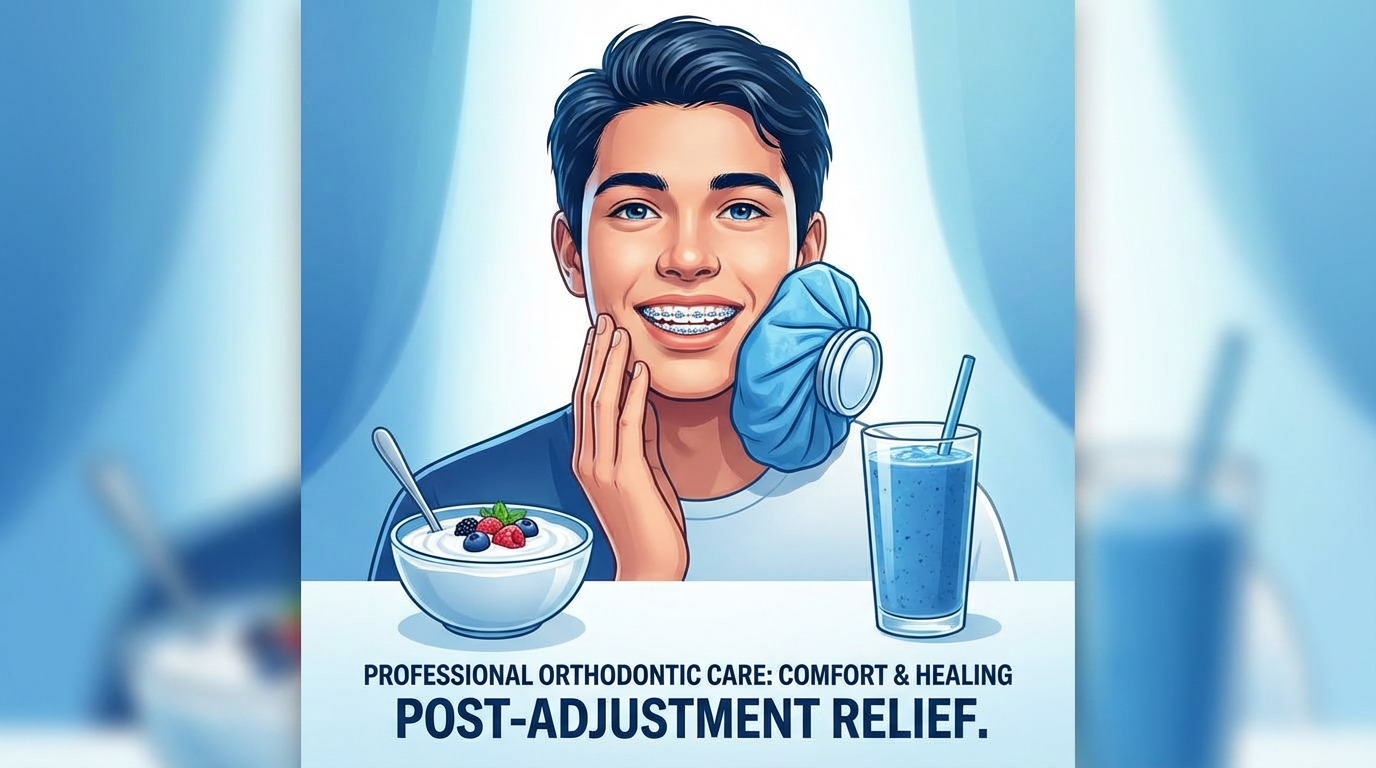
Your orthodontist just adjusted your braces and you're feeling some discomfort? That's perfectly normal. Here are our practical tips to get through this temporary period with ease.
Why are my teeth sensitive after an adjustment?
During an adjustment, your orthodontist tightens wires or replaces elastics to continue guiding your teeth toward their ideal position. This new pressure reactivates the bone remodeling process that allows your teeth to move.
The result? Temporary sensitivity that is actually a sign that your treatment is progressing.
How long does the discomfort last?
Here's what you can expect:
- First 2 days: Peak discomfort (completely normal)
- Days 3 to 5: Gradual decrease
- After 5-7 days: Back to normal
The good news? Your mouth adapts better and better throughout treatment. The first adjustments are often the most uncomfortable, then your body learns to adapt more quickly.
10 effective tips to relieve pain
1. Anticipate with pain medication
If you know you're sensitive after adjustments, take ibuprofen or acetaminophen an hour before your appointment. Ibuprofen is particularly effective as it also reduces inflammation.
2. Apply cold
A cold compress on your cheek (never directly on skin - wrap it in a cloth) for 10-15 minutes helps reduce inflammation. Repeat every 2 hours as needed.
Tip: Eating ice cream or drinking cold beverages can also help numb the sensitive area!
3. Use orthodontic wax
If a bracket or wire irritates the inside of your cheeks or lips, apply a small ball of orthodontic wax to the rough spot. It creates a protective barrier between the metal and your mouth.
4. Rinse with salt water
Mix 1 teaspoon of salt in a cup of warm water. Gently rinse 2-3 times a day. This natural solution promotes healing and soothes irritation.
5. Choose soft foods
During the first few days, opt for:
- Mashed potatoes
- Yogurt and applesauce
- Soups and broths
- Well-cooked pasta
- Scrambled eggs
- Protein smoothies
- Ripe bananas
6. Avoid problematic foods
Postpone consumption of:
- Crunchy foods (nuts, chips, croutons)
- Sticky foods (caramel, gum)
- Hard raw fruits and vegetables
- Crusty bread
7. Try numbing gel
For targeted relief, a benzocaine-based gel (like Orajel) can temporarily numb painful areas of your gums or cheeks.
8. Gently massage your gums
A light massage of your gums with a clean finger can increase blood circulation and speed up the adaptation process.
9. Try heat (if cold doesn't work)
Some people respond better to heat. If cold compresses don't provide relief, try a warm heating pad on your cheek.
10. Be patient and positive
Remember: this discomfort is temporary and each adjustment brings you closer to your final smile. Visualize the result!
When to contact your orthodontist?
Contact us if:
- The pain is severe and doesn't decrease despite pain medication
- Discomfort persists more than a week after adjustment
- A bracket comes loose or a wire breaks
- You notice sores or ulcers that don't heal
- You have a fever or signs of infection
A tip from Clara
As an orthodontic assistant, I see hundreds of patients after their adjustments. My advice? Schedule your appointment early in the week - you'll have time to adjust before the weekend, and the discomfort will usually be gone so you can enjoy your activities.
Our team is here to support you every step of the way. Don't hesitate to contact us if you have any concerns.
• Montreal (Queen Mary): (514) 484-3718
• St-Eustache (North Shore): (450) 983-4233