Orthodontic Retreatment: When Teeth Move Years Later
Have your teeth shifted after orthodontic treatment? Discover why this phenomenon is common and what modern solutions are available to restore your smile.


Introduction
You wore braces for two years, followed all your orthodontist's recommendations, and admired your new smile for years. Then one day, you notice your teeth have slightly shifted. A frustrating situation, but far from rare.
Orthodontic retreatment affects many adults who notice their teeth have moved years after their initial treatment. Understanding why this phenomenon occurs and what options are available is the first step toward recovering your ideal smile.
Why Do Teeth Move After Orthodontic Treatment?
Contrary to popular belief, our teeth are not fixed in our jaw. They are held by a periodontal ligament that allows them to move slightly in response to various forces. Several factors can explain tooth movement after treatment:
1. Abandoning or Insufficient Wear of Retainers
This is the most common cause. After braces are removed or Invisalign treatment ends, teeth have an elastic memory that naturally pushes them back toward their original position. Retainers (bonded wires or night guards) serve precisely to counter this tendency.
Unfortunately, many patients stop wearing their retainer after a few years, thinking their teeth are permanently stabilized. However, retention should ideally be worn for life, even if frequency can decrease over time.
2. Late Jaw Growth
In some people, jaw growth continues until age 25 or even later. This late growth can modify the bite and cause tooth displacement, even if the initial treatment was perfectly executed.
3. Daily Pressures
Our tongue, cheeks, and lips exert constant pressure on our teeth. Over time, these repeated forces can gradually modify dental alignment, particularly if muscular balance is not optimal.
4. Age-Related Changes
With age, the supporting tissues of teeth (gums and bone) can change. Dental wear, periodontal problems, or simply natural aging of oral structures can contribute to tooth displacement.
5. Habits and Parafunctions
Bruxism (teeth grinding), mouth breathing, or habits like biting lips or cheeks can exert abnormal forces on teeth and cause their progressive displacement.
Signs Indicating a Need for Retreatment
How do you know if your teeth have moved enough to justify retreatment? Here are the signs to watch for:
- Visible crowding: Your front teeth are starting to overlap
- Gaps appearing: Spaces form between certain teeth
- Bite changes: Your upper and lower teeth no longer fit together as before
- Difficulty flossing: Floss passes more difficultly in certain areas
- Uneven wear: Some teeth wear more than others
- Discomfort or sensitivity: Pain appears when chewing
Retreatment Options
The good news? Retreatment options today are more discreet and comfortable than ever. Depending on the extent of movement and your preferences, several solutions are available:
Invisalign: The Preferred Choice for Adults
For mild to moderate cases, Invisalign clear aligners often represent the ideal choice. Nearly invisible, removable for meals and brushing, they allow you to correct your smile without anyone noticing. Additionally, retreatment courses are generally shorter than initial treatments.
Lingual Orthodontics: 100% Invisible
For those seeking absolute discretion, lingual brackets (placed on the inner surface of teeth) offer a completely invisible solution. This technique is particularly appreciated by professionals who wish to correct their smile in complete confidentiality.
Traditional Braces
In certain complex cases, traditional braces remain the best option. Current brackets are smaller and more aesthetic than before, and ceramic options make them less visible.
Is Retreatment More Complex Than Initial Treatment?
Not necessarily. In many cases, retreatment is even simpler and faster than initial treatment because:
- The movements to correct are generally less significant
- The bone structure has already been prepared by the first treatment
- Adult patients are often more motivated and rigorous in following recommendations
However, some cases may present particular challenges, especially if periodontal problems have developed or if extractions were performed during the first treatment.
How to Prevent Relapse?
Whether after initial treatment or retreatment, lifetime retention is the key to maintaining your results. Here are our recommendations:
- Wear your retainer every night, even after several years
- Regularly check your bonded wire (if it partially detaches, consult quickly)
- Maintain excellent oral hygiene to preserve gum health
- Consult regularly with your dentist and orthodontist to detect any problems early
- If you suffer from bruxism, wear an occlusal splint to protect your teeth
It's Never Too Late to Recover Your Smile
If you notice your teeth have moved since your initial treatment, don't be discouraged. Orthodontic retreatment is a common procedure and results are generally excellent.
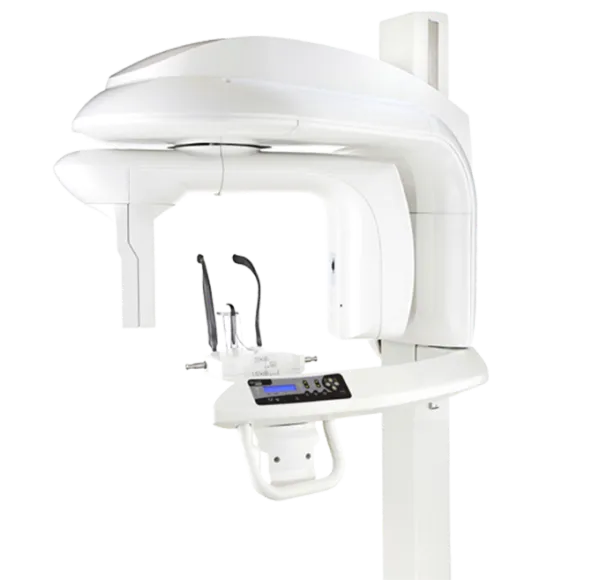
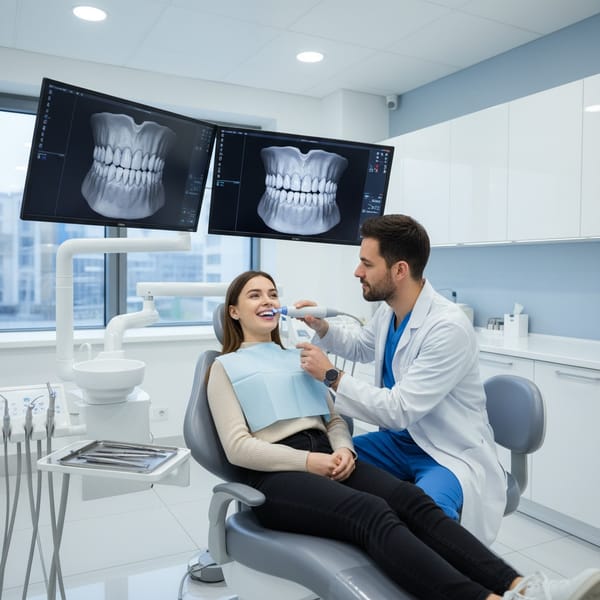
At Dr. Benguira's Orthodontic Center, we regularly welcome patients who wish to correct tooth movements that occurred after their first treatment. Thanks to modern technologies like 3D imaging and clear aligners, we can offer you a personalized, discreet, and effective treatment plan.
Don't wait for the situation to worsen. The sooner you consult, the simpler and faster the retreatment will be. Schedule an appointment at Dr. Benguira's Orthodontic Center and rediscover the confidence of a perfectly aligned smile.