Preventing White Spot Decalcification with Braces
With good oral hygiene, you can protect your tooth enamel during orthodontic treatment. Discover the 6 good habits to adopt.

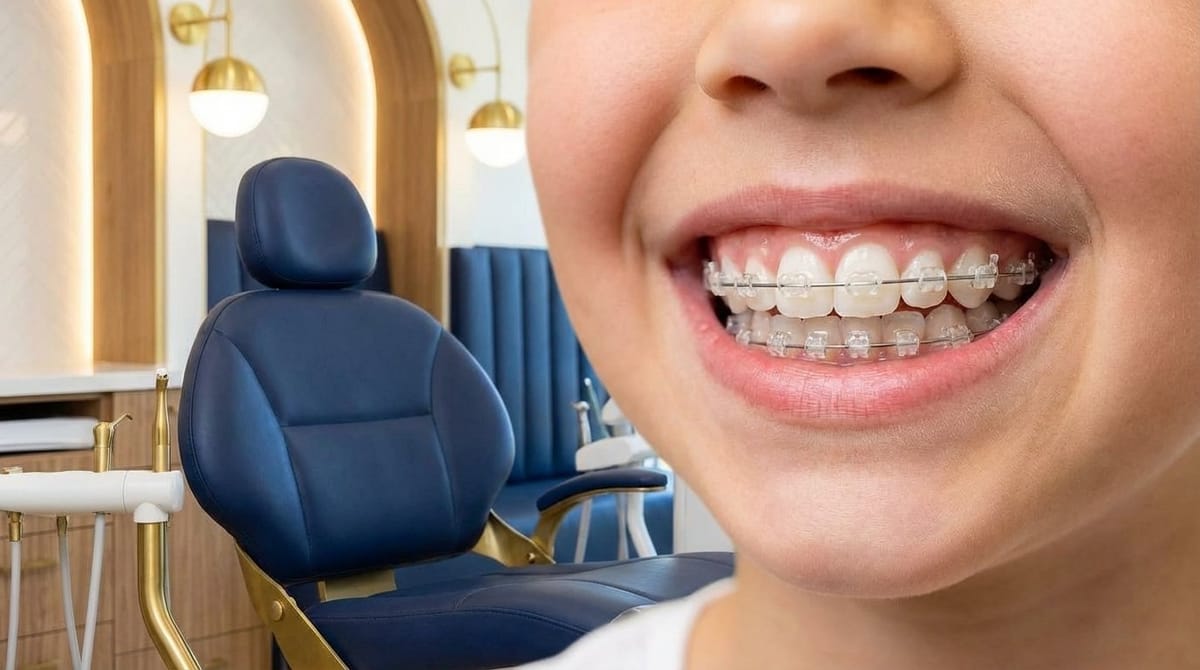
With good oral hygiene, you can protect your tooth enamel and fully enjoy your orthodontic treatment.
What is Tooth Decalcification?
White spots (or white spot lesions) are areas of enamel that have lost some of their minerals. They can sometimes appear around the areas where brackets were bonded.
Decalcification occurs when dental plaque accumulates and the acids produced by bacteria deprive the enamel of calcium and phosphate. These areas then appear whiter and more opaque than the rest of the tooth.
What You Should Know
According to the Journal of the American Dental Association, about 50% of orthodontic patients may develop at least one white spot during their treatment, compared to 11% of people without braces. The good news? With rigorous hygiene, these spots are entirely preventable!
Why Do Braces Require More Attention?
Fixed orthodontic appliances create areas where dental plaque can accumulate more easily:
- Additional areas to clean: Brackets and wires create spots where food particles can get trapped.
- Adapted technique: Brushing requires a bit more time and attention.
- Increased vigilance: The area around brackets, especially near the gumline, deserves special attention.
How to Prevent Decalcification: 6 Good Habits
1. Brush Your Teeth After Every Meal
This is the golden rule! Use a soft-bristled toothbrush and take time to thoroughly clean:
- The area between the bracket and the gum
- Above and below each bracket
- The spaces between teeth
2. Use Fluoride Toothpaste
Fluoride helps strengthen enamel and prevent decalcification. Choose a toothpaste containing at least 1000-1500 ppm of fluoride.
3. Add a Fluoride Mouthwash to Your Routine
The American Dental Association recommends daily use of a fluoride mouthwash for orthodontic patients. Rinse for 30 seconds to 1 minute, ideally before bedtime.
4. Use Dental Floss or a Water Flosser
Flossing under the orthodontic wire may seem a bit tricky at first, but it quickly becomes a habit. A water flosser (Waterpik) is also an excellent tool to complement your routine.
5. Watch What You Eat and Drink
Some foods and drinks promote plaque buildup:
- Carbonated drinks (even "diet" versions)
- Acidic fruit juices
- Candy and sweets
- Energy drinks
Choose water and rinse your mouth after consuming sugary or acidic foods.
6. Stay Attentive
If you notice areas that appear whiter around your brackets, mention it at your next appointment. Early attention allows for better solutions.
What If White Spots Appear?
Good news: recent white spots generally have a good prognosis. After braces removal, several options exist:
- Natural remineralization: With excellent hygiene, some spots naturally fade over several months.
- Resin infiltration (Icon): A technique that restores the appearance of enamel.
- Micro-abrasion: To reduce superficial spots.
- Teeth whitening: Can even out the appearance in some cases.
In Summary
You're investing in your smile with your orthodontic treatment. By adopting good hygiene habits from the start, you'll maximize your chances of completing your treatment with teeth that are perfectly aligned and in excellent health.
Questions About Hygiene With Your Braces?
At the Centre Orthodontique, our team takes time to explain the best hygiene practices to each patient. Don't hesitate to ask your questions during your follow-up visits.
Free Consultation Available
📍 Centre Orthodontique Queen Mary: 3766 Queen Mary, Montreal
📍 Centre Orthodontique Rive Nord: 464 rue du Parc, suite 122, St-Eustache
🌐 www.monorthodontiste.org