Sleep Apnea: When Orthodontics Can Replace CPAP

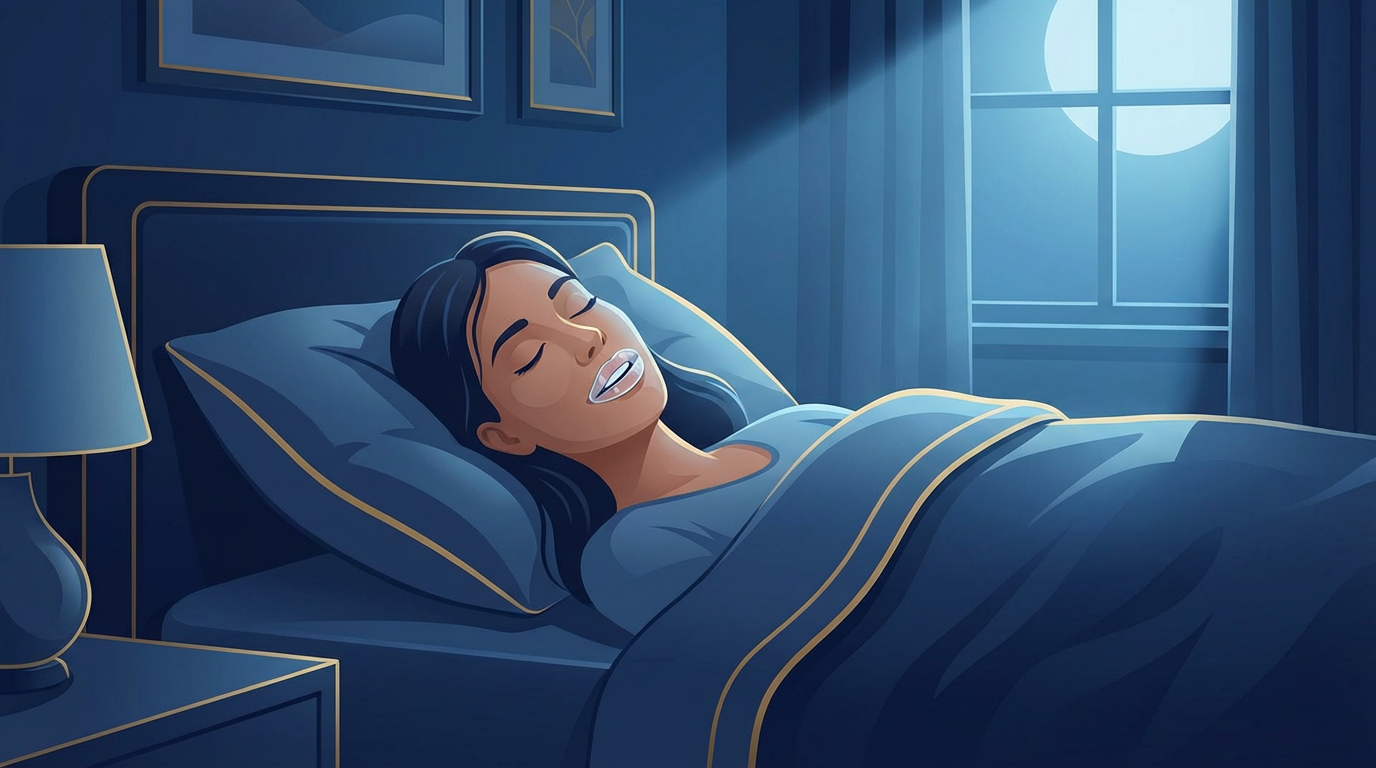
Struggling with sleep apnea but can't tolerate your CPAP mask? An orthodontic solution could transform your nights. Discover how mandibular advancement devices offer an effective and comfortable alternative.
Sleep apnea: more common than you think
Obstructive sleep apnea (OSA) affects millions of people, often without them knowing. Loud snoring, chronic fatigue, morning headaches, difficulty concentrating - these symptoms may indicate a serious problem that deserves attention.
The gold standard treatment remains CPAP (Continuous Positive Airway Pressure), a mask that keeps airways open during sleep. Effective? Yes. Tolerable for everyone? Not really.
The CPAP problem: massive dropout rates
Here's a sobering statistic: nearly 46% of patients abandon their CPAP. The reasons are numerous:
- Discomfort from the mask on the face
- Machine noise disturbing sleep (and their partner's)
- Feelings of claustrophobia
- Difficulties while traveling
- Nasal dryness and irritation
The result? Thousands of people prefer to suffer in silence rather than wear a device they can't tolerate.
The orthodontic solution: Mandibular Advancement Device (MAD)
This is where orthodontics comes in. The mandibular advancement device - also called an oral appliance or anti-apnea mouthguard - represents a medically recognized alternative to CPAP.
How does it work?
A MAD looks like a dental appliance worn only at night. It gently repositions your lower jaw forward, which:
- Widens the space in your throat (oropharynx)
- Prevents the tongue from blocking the airways
- Keeps soft tissues in an open position
- Significantly improves airflow
Impressive scientifically proven results
Recent clinical studies are clear:
- 70% success rate for mild to moderate apnea
- 72.5% reduction in apnea-hypopnea index (2025 study)
- 95.5% of patients achieve at least 50% reduction in respiratory events
- 90% compliance rate compared to only 50% for CPAP
In simple terms? Patients actually wear their device because it's comfortable, quiet, and easy to use.
MAD vs CPAP: what does science say?
| Criteria | CPAP | Mandibular Advancement Device |
|---|---|---|
| AHI Effectiveness | Superior | Very good (slightly lower) |
| Daytime Sleepiness | Significant improvement | Comparable improvement |
| Snoring Reduction | Excellent | Excellent |
| Quality of Life | Improved | Similarly improved |
| Treatment Compliance | ~50% | ~90% |
| Comfort | Variable | Generally excellent |
| Portability | Bulky | Fits in a pocket |
The researchers' conclusion? Even though CPAP is technically more effective on certain parameters, clinical outcomes are comparable because patients actually use their MAD.
Who can benefit from a MAD?
The best candidates are:
- People with mild to moderate sleep apnea
- Patients who can't tolerate CPAP
- Heavy snorers
- People with a receded jaw (retrognathia)
- Frequent travelers looking for a portable solution
Even for severe apnea, recent studies show promising results in patients who cannot use CPAP.
The importance of a custom-made device
Beware: not all MADs are created equal. Over-the-counter devices sold in pharmacies or online should be avoided. An effective device must be:
- Custom-made from precise impressions
- Adjustable to optimize jaw advancement
- Monitored by a professional who checks effectiveness and side effects
That's why collaboration between your sleep physician and a specialized orthodontist is essential.
Our approach at the Orthodontic Centre
At Dr. David Benguira's Orthodontic Centre, we offer comprehensive care for sleep disorders related to jaw structure:
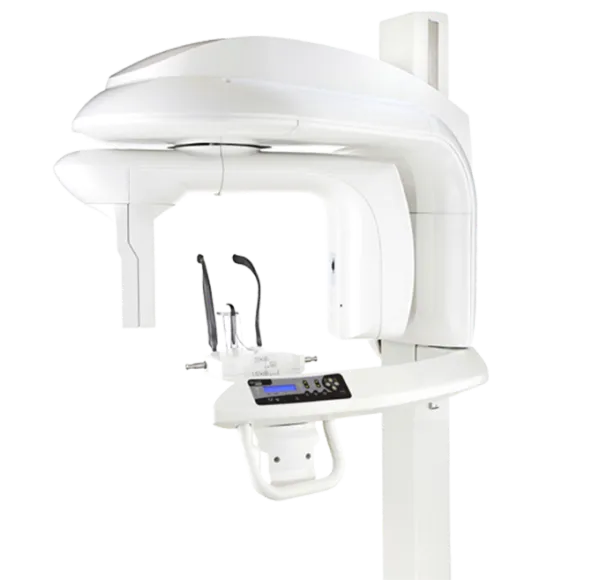
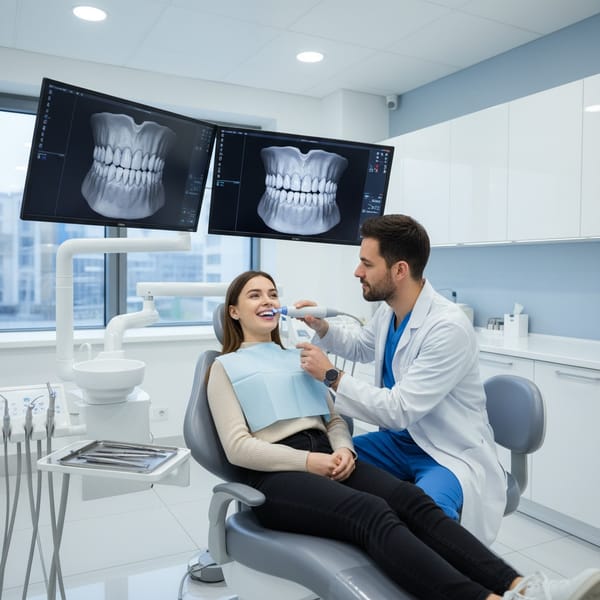
- Thorough evaluation of your anatomy with 3D imaging
- Custom fabrication of mandibular advancement devices
- Regular follow-up to adjust and optimize your treatment
- Coordination with your sleep physician
Our expertise in orthodontics allows us to understand precisely how to reposition your jaw for optimal results.
Book a free consultation and find out if a mandibular advancement device could improve your nights.
• Montreal (Queen Mary): (514) 484-3718
• St-Eustache (North Shore): (450) 983-4233