Why Age 7 is Crucial for Your Child's First Orthodontic Visit

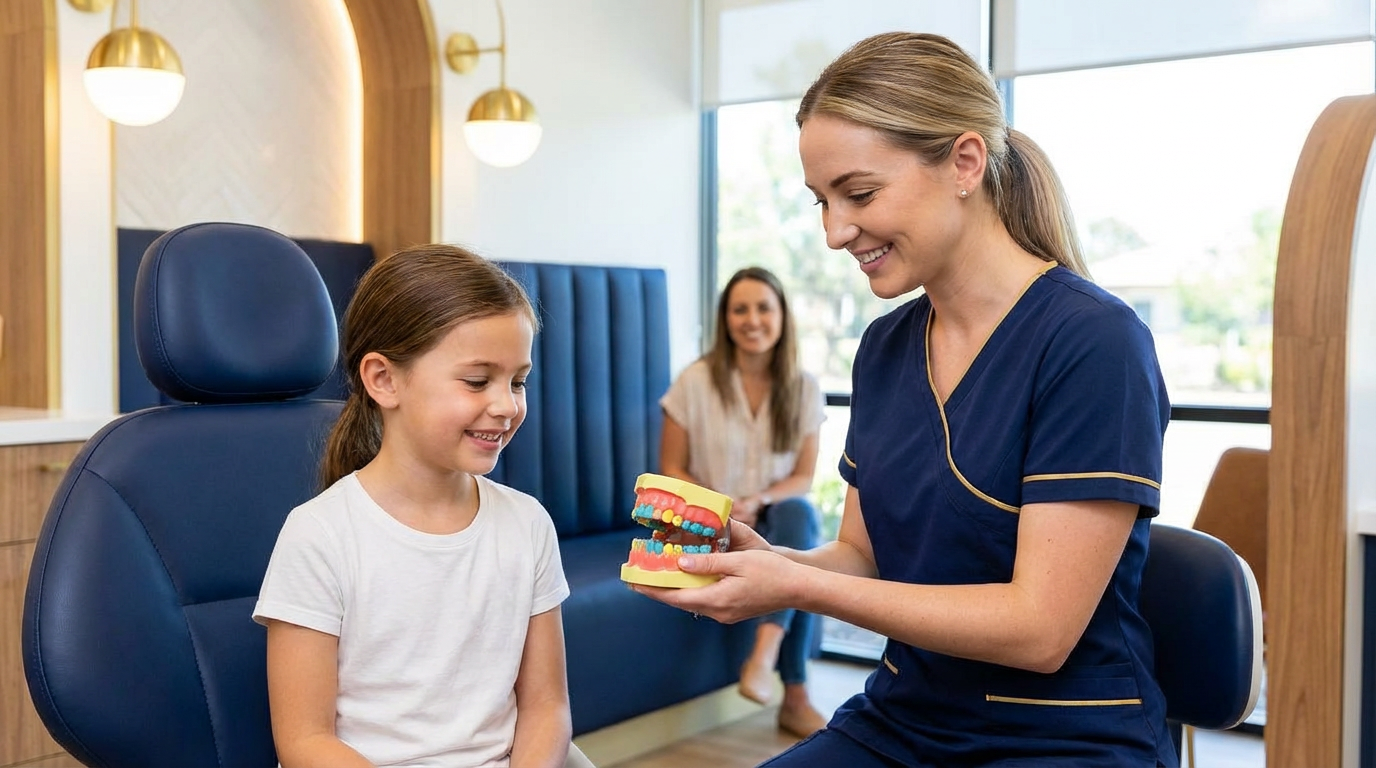
Is your child 7 years old? It's the perfect time for their first orthodontic visit - even if their teeth look perfect. Discover why this early evaluation can save them longer and more expensive treatments as teenagers.
Why age 7 specifically?
The American Association of Orthodontists (AAO) - the world's largest orthodontic association - recommends a first orthodontic evaluation no later than age 7.
This isn't a coincidence. At this age, your child typically has:
- A mix of baby teeth and permanent teeth
- Their first adult molars that have just appeared
- Their permanent incisors coming in
This developmental stage allows the orthodontist to evaluate jaw growth and identify problems that would be invisible to an untrained eye.
What the orthodontist can detect at age 7
An early evaluation can spot:
- Narrow jaw - not enough room for permanent teeth
- Crossbite - upper teeth closing inside the lower ones
- Class III problems - lower jaw too far forward
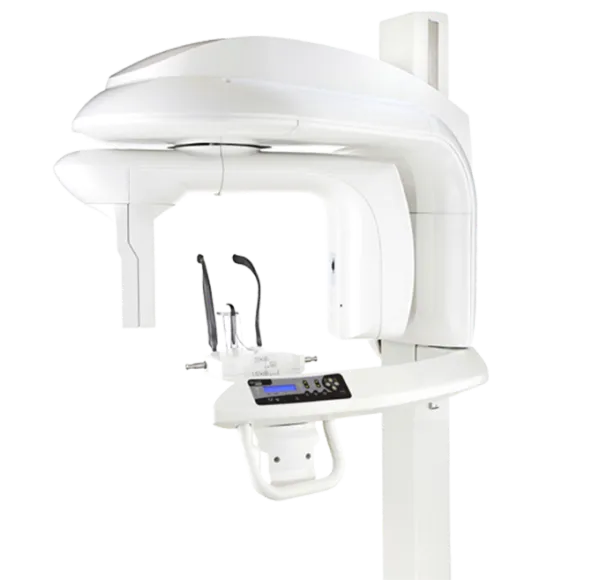
- Missing or extra teeth - visible on panoramic X-rays
- Impacted teeth - teeth blocked under the gums that won't emerge naturally
- Harmful habits - thumb sucking, mouth breathing
- Open bite - teeth that don't touch when the mouth is closed
Evaluation doesn't mean immediate treatment
Rest assured: in most cases, the orthodontist will simply recommend monitoring development with periodic check-ups.
The AAO makes it clear: the goal isn't to put braces on every 7-year-old. It's to detect problems that would benefit from early intervention - and only those.
For most children, comprehensive orthodontic treatment will start later, around age 11-13, when all permanent teeth are present.
Interceptive orthodontics: acting at the right time
When a problem is detected early, interceptive orthodontics can step in. This early treatment aims to:
- Intercept a developing problem
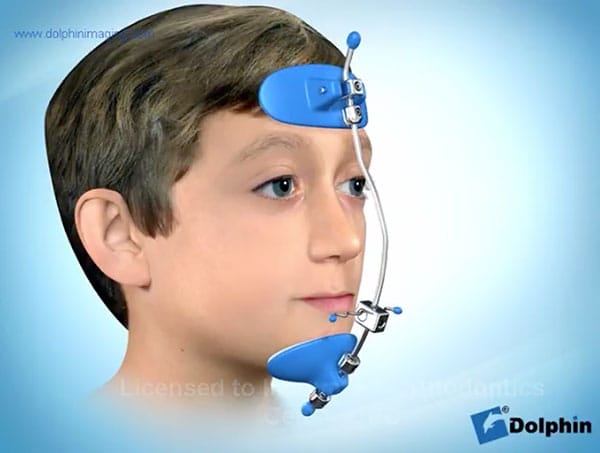
- Guide jaw bone growth
- Create space for incoming permanent teeth
- Eliminate the causes of the problem (like a sucking habit)
Common examples of interceptive treatment
Palatal expansion: A device gradually widens the palate, creating the necessary space for permanent teeth. This procedure is much simpler in children because the bones haven't fused yet. In adults, it may require surgery.
Crossbite correction: An untreated crossbite can lead to asymmetric tooth wear and unbalanced facial growth.
Space maintainer: If a baby tooth falls out prematurely, a maintainer preserves the space for the permanent tooth.
The concrete benefits of early evaluation
| Benefit | Explanation |
|---|---|
| Reduced treatment time | According to the AAO, interceptive treatment can reduce braces time by 6 to 12 months |
| Financial savings | Avoid complex treatments during teenage years or surgeries in adulthood |
| Avoid extractions | By creating space early, permanent tooth extractions can often be avoided |
| Prevent surgery | Some jaw problems can only be corrected with surgery once growth is complete |
| Better self-esteem | Correcting a visible problem before adolescence can prevent years of embarrassment |
Warning signs to watch for before age 7
Don't wait until age 7 if you notice:
- Early or late loss of baby teeth
- Difficulty chewing or biting
- Mouth breathing
- Thumb sucking after age 5
- Speech problems
- Visibly crowded teeth
- Jaws that click or make noise
- Teeth that don't touch when the child closes their mouth
What to expect at the first visit
The consultation is simple and non-invasive:
- Visual examination of teeth, gums, and jaw
- Panoramic X-ray to see teeth below the gums
- Photos to document the situation
- Discussion with parents about observations
- Recommendations: monitoring, interceptive treatment, or waiting
Your child won't feel pain and probably won't be scared - it's an observation visit, not treatment.
Our commitment to young patients
At Dr. David Benguira's Orthodontic Centre, we welcome children in a warm and reassuring atmosphere. Our philosophy: making the orthodontic experience enjoyable and even fun.
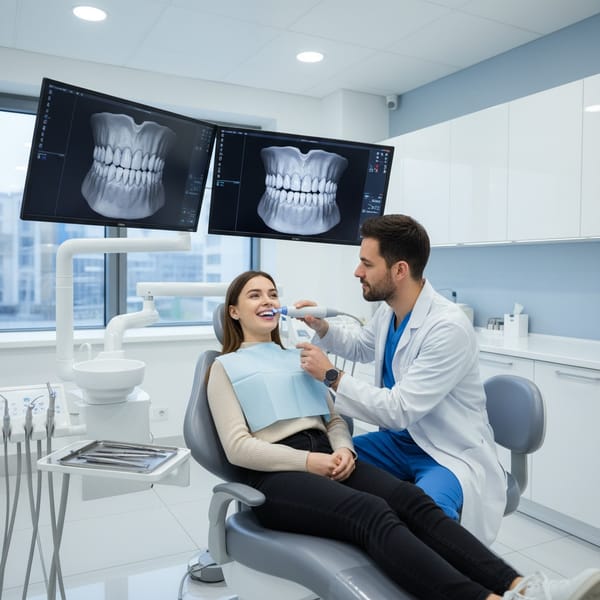
We use state-of-the-art technology - intraoral scanners (no more unpleasant impressions!) and 3D imaging - for precise and comfortable evaluation.
Give them a free, no-obligation first consultation. It's the best gift you can give to their future smile.
• Montreal (Queen Mary): (514) 484-3718
• St-Eustache (North Shore): (450) 983-4233